
Agape Mediterranean Nutrition: A Comprehensive Guide
Agape, rooted in ancient traditions, offers a holistic approach to well-being, detailed in numerous PDF resources.
Discover the power of this diet, blending history, health, and practical application for a vibrant life.
Agape Mediterranean Nutrition isn’t merely a diet; it’s a lifestyle deeply interwoven with cultural heritage and a commitment to holistic health. Rooted in the traditional eating patterns of the regions bordering the Mediterranean Sea, Agape emphasizes fresh, whole foods, social connection during meals, and regular physical activity. Numerous PDF resources detail this approach, highlighting its origins in ancient Greece and the enduring wisdom of prioritizing natural, unprocessed ingredients.
Unlike restrictive diets, Agape focuses on abundance – an abundance of fruits, vegetables, whole grains, legumes, nuts, and healthy fats, particularly olive oil. It’s a pattern of eating celebrated for its deliciousness and its profound impact on long-term well-being. The core philosophy centers around savoring meals, sharing them with loved ones, and appreciating the simple pleasures of life. Exploring available PDF guides reveals a wealth of information on adapting this timeless approach to modern lifestyles, ensuring accessibility and sustainability for everyone.

Historical Roots of Agape & Mediterranean Cuisine
The origins of Agape Mediterranean cuisine stretch back millennia, deeply embedded in the civilizations surrounding the Mediterranean Sea – from ancient Greece and Rome to the vibrant cultures of North Africa and the Middle East. Archaeological evidence and historical texts, often detailed in scholarly PDFs, reveal a consistent emphasis on plant-based foods, olive oil, and fish as dietary staples. The term “Agape,” signifying unconditional love, reflects the nurturing and communal aspects of sharing food.
The Silk Road played a crucial role, introducing new ingredients and culinary techniques, enriching the region’s gastronomic landscape. Medieval towns along these routes, celebrated for their architecture, also fostered unique food traditions. Modern research, accessible through various PDF resources, confirms the health benefits of this historical dietary pattern. Understanding these roots provides context for the enduring appeal and effectiveness of the Agape approach to nutrition, a testament to centuries of culinary wisdom.
Core Principles of Agape Mediterranean Nutrition
Agape Mediterranean Nutrition centers around a lifestyle, not a restrictive diet, prioritizing whole, unprocessed foods. Found extensively detailed in accessible PDF guides, its core lies in abundance – fruits, vegetables, whole grains, legumes, nuts, and seeds form the foundation. Olive oil is the primary fat source, celebrated for its health benefits. Fish and seafood are consumed regularly, while poultry, eggs, and dairy are enjoyed in moderation.
Emphasis is placed on seasonal eating, maximizing nutrient density and flavor. Social connection during meals is integral, fostering mindful consumption. Red meat is limited, and processed foods, refined sugars, and unhealthy fats are minimized. These principles, thoroughly documented in numerous PDF resources, promote long-term health and well-being, embodying the spirit of Agape – a loving approach to nourishing the body and soul.

Nutritional Breakdown of Key Agape Foods
Agape’s nutritional power, detailed in PDF guides, stems from vibrant foods. Explore the benefits of olive oil, grains, and produce for optimal health!
Olive Oil: The Cornerstone of Agape
Olive oil stands as the foundational element of Agape Mediterranean nutrition, deeply explored within comprehensive PDF resources. Its significance extends beyond a simple cooking fat; it’s a source of monounsaturated fats, notably oleic acid, celebrated for their heart-protective qualities. Extra virgin olive oil, in particular, boasts a rich profile of antioxidants and polyphenols, compounds linked to reduced inflammation and chronic disease risk.

These PDF guides emphasize the importance of choosing high-quality, cold-pressed extra virgin olive oil to maximize its nutritional benefits. Daily consumption, as a primary fat source, is a hallmark of the Agape diet. It’s utilized generously in cooking, salad dressings, and even drizzled over finished dishes, contributing both flavor and substantial health advantages. The detailed analyses within these documents highlight the specific fatty acid composition and antioxidant levels found in various olive oil grades, empowering informed dietary choices.
Furthermore, the Agape approach encourages appreciating olive oil’s versatility, recognizing its role in supporting overall well-being, as thoroughly documented in available PDF materials.
Fruits & Vegetables: Seasonal Abundance
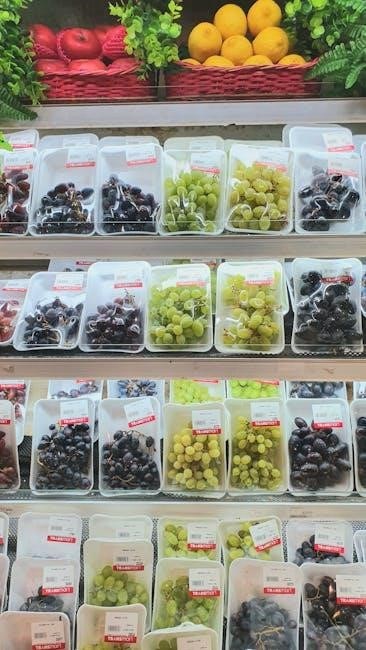
Fruits and vegetables form a vibrant pillar of Agape Mediterranean nutrition, extensively detailed in accessible PDF guides. The diet champions a colorful array, prioritizing seasonal produce for peak nutritional value and flavor. These resources emphasize consuming a wide variety – leafy greens, bright berries, cruciferous vegetables, and sun-ripened fruits – to ensure a broad spectrum of vitamins, minerals, and antioxidants.
PDF analyses highlight the specific phytonutrient profiles of different produce, linking them to disease prevention and enhanced health. The Agape philosophy encourages minimizing processed foods and maximizing whole, plant-based options. Emphasis is placed on enjoying fruits as desserts and incorporating vegetables into nearly every meal, fostering a naturally satisfying and nutrient-rich diet.
These guides also promote local sourcing and home gardening, reinforcing the connection between food, health, and community, all thoroughly explained within the PDF materials.
Whole Grains: Ancient Grains & Modern Choices
Agape Mediterranean nutrition, as detailed in comprehensive PDF resources, prioritizes whole grains over refined options. Historically, ancient grains like farro, barley, and spelt formed the foundation of Mediterranean diets, offering superior nutritional profiles. These PDF guides explain the benefits – higher fiber content, slower digestion, and sustained energy release – compared to processed grains.
Modern choices, such as whole wheat and brown rice, are also encouraged, but with an emphasis on minimal processing. The Agape approach, outlined in these PDFs, advocates for reading labels carefully to avoid hidden sugars and additives. Portion control is also key, ensuring grains complement, rather than dominate, the meal.
PDF analyses showcase the impact of whole grains on gut health and chronic disease prevention, reinforcing their importance within the Agape dietary framework.
Legumes: Protein Powerhouses
Agape Mediterranean nutrition, thoroughly documented in available PDF resources, champions legumes as essential protein sources. Beans, lentils, and chickpeas are dietary staples, offering a plant-based alternative to meat, aligning with the diet’s emphasis on sustainability and health. These PDF guides detail their impressive nutritional profile – rich in fiber, iron, and folate – contributing to satiety and overall well-being.
PDF analyses highlight the role of legumes in managing blood sugar levels and promoting heart health, core tenets of the Agape philosophy. Preparation methods are also addressed, suggesting soaking and slow cooking to enhance digestibility. Variety is encouraged, exploring different types of legumes to maximize nutrient intake.
The Agape diet, as presented in these PDFs, demonstrates how legumes contribute to a balanced and nourishing dietary pattern.

Protein Sources in Agape Mediterranean Nutrition
PDF resources detail Agape’s protein focus: fish, poultry, and legumes. These sources, when consumed mindfully, support health and vitality, as outlined in dietary guides.
Fish & Seafood: Omega-3 Rich Options
Agape Mediterranean nutrition prominently features fish and seafood as cornerstone protein sources, extensively detailed within available PDF guides. These aren’t merely protein providers; they are rich reservoirs of Omega-3 fatty acids – EPA and DHA – crucial for optimal health. Prioritize fatty fish like salmon, mackerel, sardines, and tuna, aiming for at least two servings per week.
These Omega-3s are powerfully linked to cardiovascular benefits, reducing inflammation, and supporting cognitive function, all central tenets of the Agape lifestyle. Shellfish, such as mussels, oysters, and shrimp, also contribute valuable nutrients. When selecting seafood, opt for sustainably sourced options whenever possible, ensuring responsible environmental practices. PDF resources often include lists of sustainable seafood choices. Preparation methods are also key; baking, grilling, or steaming are preferred over frying to preserve the nutritional integrity and align with the diet’s emphasis on whole, unprocessed foods.
Poultry & Eggs: Moderate Consumption
Within the Agape Mediterranean framework, poultry and eggs occupy a secondary role as protein sources, a nuance often clarified in detailed PDF nutritional guides. Unlike fish, which is encouraged frequently, poultry consumption should be moderate – think a few times per month rather than several times a week. Choose lean cuts of chicken or turkey, removing the skin to minimize saturated fat intake.

Eggs, similarly, are valuable but best enjoyed in moderation, perhaps 3-4 per week. They provide essential nutrients like choline and protein. Free-range or pasture-raised options are preferred, offering a potentially richer nutritional profile. PDF resources emphasize that the Agape diet isn’t about strict restriction, but rather balance and mindful choices. Prioritizing plant-based proteins and fish, while incorporating poultry and eggs thoughtfully, aligns with the diet’s overall health-promoting principles.
Dairy: Yogurt & Cheese in Moderation
The Agape Mediterranean diet embraces dairy, but with a distinct emphasis on moderation and specific choices, details readily available in comprehensive PDF guides; Yogurt, particularly Greek yogurt, takes center stage due to its probiotic content and protein richness. Opt for plain, unsweetened varieties to avoid added sugars, and enhance flavor with fruits or a drizzle of honey.
Cheese, a staple in Mediterranean cultures, is enjoyed in smaller portions. Feta, halloumi, and other traditional cheeses are favored over processed options. These cheeses offer unique flavors and textures, but their higher sodium and fat content necessitate mindful consumption. PDF resources consistently highlight that dairy isn’t a cornerstone, but a complementary element. Prioritizing yogurt and enjoying cheese as an occasional treat supports the diet’s focus on whole, unprocessed foods and overall well-being.

Health Benefits of Agape Mediterranean Nutrition
Agape’s benefits, detailed in PDF guides, span cardiovascular health, cognitive function, and diabetes management, fostering longevity and vitality through wholesome, natural foods.

Cardiovascular Health & Agape
Agape Mediterranean nutrition demonstrably supports robust cardiovascular health, a cornerstone benefit extensively documented in available PDF resources. The diet’s emphasis on olive oil, rich in monounsaturated fats, actively lowers LDL (“bad”) cholesterol while potentially raising HDL (“good”) cholesterol levels. Abundant fruits and vegetables provide vital antioxidants, combating oxidative stress and inflammation – key contributors to heart disease.
Furthermore, the inclusion of omega-3 fatty acids from fish and seafood contributes to reduced triglyceride levels and improved blood vessel function. Moderate dairy consumption, particularly yogurt, offers calcium and probiotics, supporting healthy blood pressure. Limiting red meat and processed foods minimizes saturated and trans fats, further protecting the heart. Detailed dietary plans within PDF guides illustrate practical ways to incorporate these heart-healthy elements, promoting long-term cardiovascular well-being and reducing the risk of heart attacks and strokes.
Cognitive Function & Brain Health
Agape Mediterranean nutrition profoundly impacts cognitive function and brain health, insights readily available in comprehensive PDF guides. The diet’s abundance of antioxidants, derived from colorful fruits and vegetables, combats oxidative stress, a major contributor to neurodegenerative diseases like Alzheimer’s. Olive oil’s oleocanthal, a natural anti-inflammatory compound, may protect against cognitive decline.
Omega-3 fatty acids, plentiful in fish and seafood, are crucial for brain structure and function, enhancing memory and learning. The diet’s focus on whole grains provides a steady glucose supply, fueling brain activity. Furthermore, the gut-brain connection, supported by fiber-rich legumes and probiotics from yogurt, plays a vital role in mental well-being. PDF resources detail specific nutrients and meal plans designed to optimize brain health, potentially reducing the risk of cognitive impairment and promoting mental clarity throughout life.
Diabetes Management & Blood Sugar Control
Agape Mediterranean nutrition offers a powerful strategy for diabetes management and improved blood sugar control, extensively documented in accessible PDF resources. The diet’s emphasis on low-glycemic index foods – whole grains, legumes, and non-starchy vegetables – prevents rapid spikes in blood glucose. Healthy fats, particularly from olive oil, enhance insulin sensitivity, allowing cells to utilize glucose more effectively.
Fiber-rich foods promote satiety, aiding in weight management, a critical factor in diabetes control. The diet’s limited intake of refined sugars and processed foods further stabilizes blood sugar levels. PDF guides provide detailed meal plans and portion control strategies tailored for individuals with diabetes. Incorporating lean protein sources, like fish and poultry, supports stable energy levels and muscle mass. This nutritional approach, detailed in available materials, can significantly improve glycemic control and reduce the risk of diabetes complications.

Practical Implementation of Agape Mediterranean Diet
PDF resources simplify Agape adoption with meal plans, shopping lists, and adaptable recipes. Embrace this lifestyle, prioritizing fresh, whole foods for lasting health benefits.
Meal Planning & Recipe Ideas
Agape meal planning centers around simplicity and seasonal ingredients, easily accessible through various PDF guides. Begin with a weekly plan, prioritizing plant-based meals. Think vibrant salads with olive oil dressings, lentil soups, and fish baked with herbs.
Recipe ideas abound! Explore Greek salads, utilizing fresh tomatoes, cucumbers, and feta. Prepare a hearty fish stew with seasonal vegetables. Embrace whole-grain pasta dishes with pesto and grilled chicken. Utilize legumes in flavorful stews or dips like hummus.
PDF resources often include detailed recipes with nutritional information, streamlining your cooking process. Focus on portion control and mindful eating. Don’t be afraid to experiment with spices and herbs to enhance flavor without adding excess salt. Remember, Agape isn’t restrictive; it’s about enjoying wholesome, delicious food!
Shopping List Essentials for Agape
A successful Agape diet begins with a well-stocked pantry and fridge, details often outlined in helpful PDF guides. Prioritize extra virgin olive oil – the cornerstone of this nutrition style. Load up on fresh, seasonal fruits and vegetables; think leafy greens, tomatoes, citrus fruits, and berries.
Essential legumes include lentils, chickpeas, and beans, providing plant-based protein. Select whole grains like quinoa, barley, and whole-wheat pasta. Don’t forget fatty fish like salmon and sardines, rich in Omega-3s.
Dairy should be moderate – opt for Greek yogurt and feta cheese. Stock up on nuts and seeds for healthy fats and snacks. Herbs and spices are crucial for flavor; consider oregano, basil, and rosemary. Many PDF resources offer printable shopping lists to simplify your grocery trips, ensuring you have everything needed for delicious, healthy meals.
Adapting Agape to Modern Lifestyles
Integrating the Agape Mediterranean diet into a busy modern life requires flexibility, often detailed in accessible PDF guides. Embrace meal prepping – prepare grains, legumes, and chopped vegetables in advance. Utilize quick-cooking fish options like canned salmon or pre-portioned fillets.
Focus on simple recipes with minimal ingredients. Don’t be afraid to incorporate convenient options like pre-washed salads or frozen fruits and vegetables. Prioritize mindful eating, even when time is limited.
Many PDF resources offer adaptations for various dietary needs and preferences. Remember, the core principles – whole foods, healthy fats, and plant-based emphasis – remain constant. Small, sustainable changes are key to long-term success, making Agape a realistic and enjoyable lifestyle choice, not a restrictive diet.
Agape Mediterranean Diet: PDF Resources & Further Research
Delve deeper into Agape Mediterranean Nutrition with a wealth of readily available PDF resources. Explore comprehensive guides detailing meal plans, nutritional breakdowns, and scientific research supporting its health benefits. Academic databases and health organizations frequently publish studies on Mediterranean diets, often accessible in PDF format.
Search for resources from reputable sources like the World Health Organization and the American Heart Association. Many universities offer downloadable PDFs on food studies and dietary patterns. Look for materials focusing on the historical context of Agape and its connection to traditional Mediterranean cuisine.
These PDFs provide valuable insights for both beginners and those seeking advanced knowledge, empowering you to make informed choices and fully embrace the Agape lifestyle.