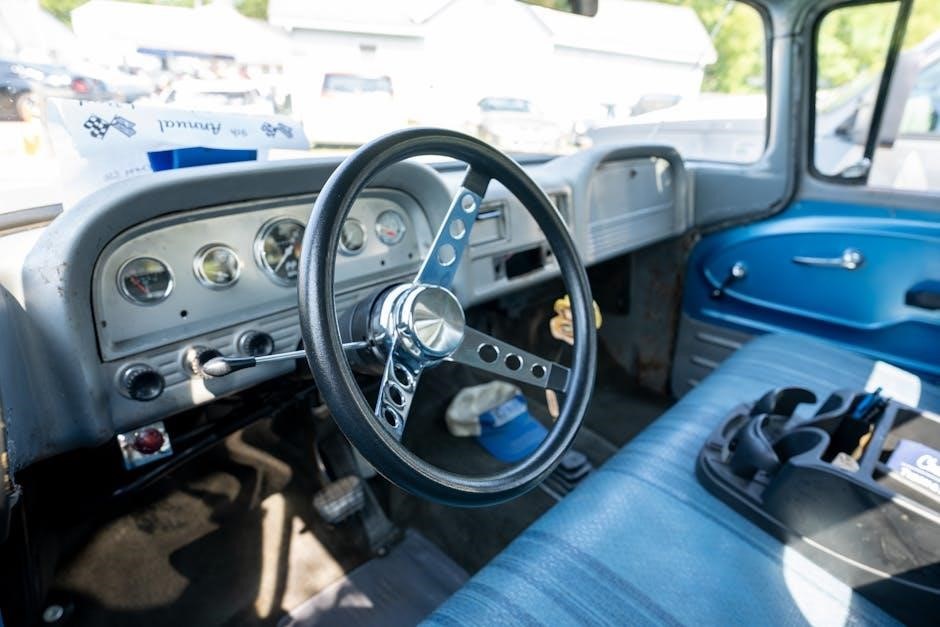
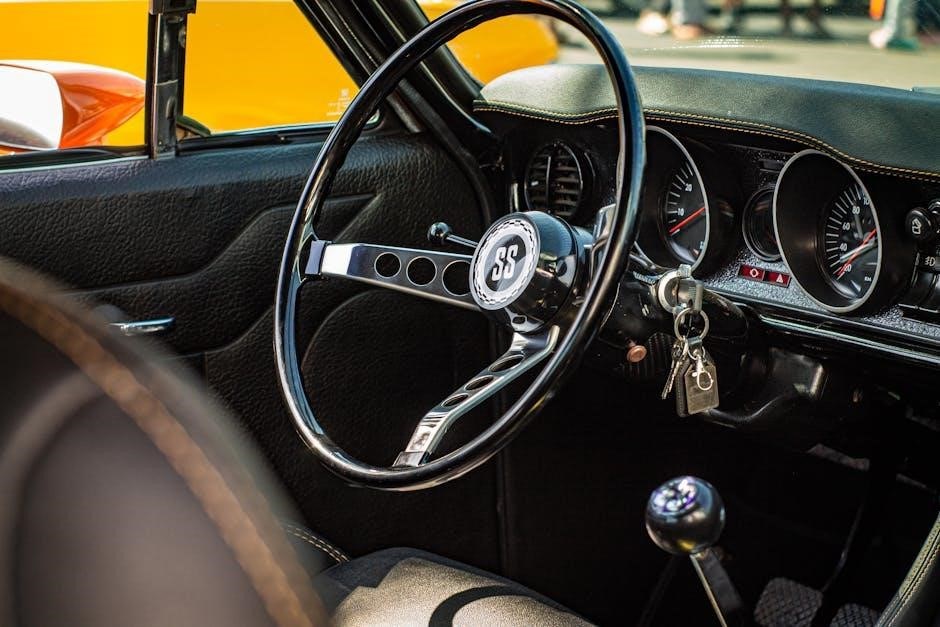
Delve into the world of classic muscle! Combining the robust 350 small block with a manual transmission offers a uniquely engaging driving experience, blending power and control.
Historical Overview of 350 Small Blocks and Manual Transmissions
The 350 small-block V8 emerged in 1967, quickly becoming Chevrolet’s workhorse, powering everything from Camaros to Corvettes. Simultaneously, manual transmissions were the dominant choice, offering drivers direct control. Early options included the Muncie 4-speed, famed for its durability.
As automatics gained popularity, manuals became less common, yet retained a devoted following among enthusiasts. YouTube’s rise showcases continued interest in these classic combinations, with content focusing on restoration and performance upgrades. Today, pairing a 350 with a manual remains a rewarding project, honoring automotive history.
Why Choose a Manual Transmission for a 350 Small Block?
Opting for a manual transmission unlocks a visceral connection with the 350’s power. It provides superior control over gear selection, enhancing the driving experience and allowing for precise engine braking. Beyond performance, manuals often offer improved fuel efficiency compared to automatics.
YouTube content demonstrates the appeal of this combination, highlighting the engagement and customization possibilities. For enthusiasts, a manual isn’t just a gearbox; it’s a core element of the driving experience, fostering a deeper bond with the machine.
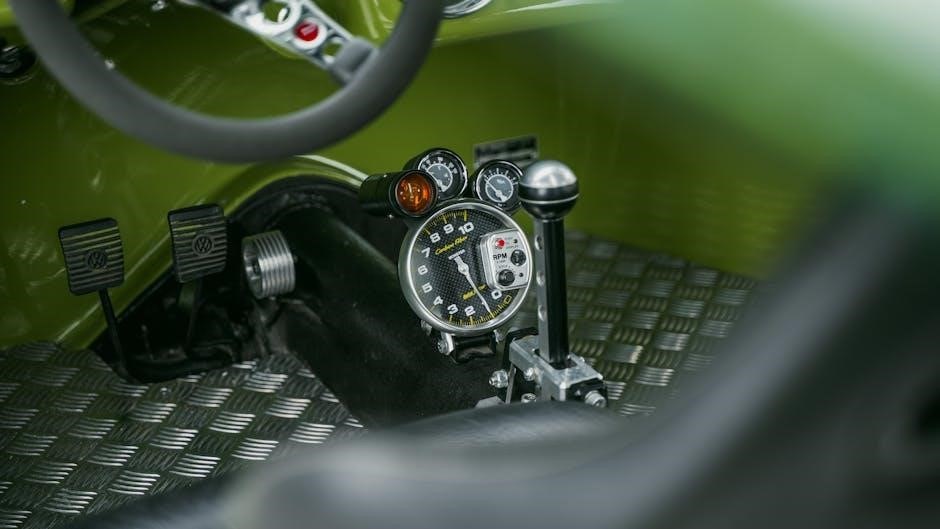
Transmission Options for 350 Small Blocks
Explore diverse choices! Several manual transmissions historically paired well with the 350, each offering unique characteristics for performance and driving style.
Popular Manual Transmission Choices
Several transmissions became iconic companions to the 350 small block. The T10, known for its early adoption and robust design, offered a four-speed configuration ideal for initial muscle car builds. Later, the Muncie M21/M22 emerged, providing enhanced durability and a satisfyingly direct feel, becoming a staple in many high-performance applications.
For those seeking modern performance, the Richmond 5-speed presents a compelling upgrade, delivering closer gear ratios and improved highway cruising. Each option caters to different budgets and performance goals, ensuring a suitable match for any 350-powered project.
T10 Transmission
The T10, a pioneering four-speed manual, holds a significant place in early 350 small block applications. Produced primarily in the late 1950s and 1960s, it’s recognized for its relatively simple design and widespread availability. While not as robust as later options, the T10 provides a direct connection and classic feel.
Identifying a T10 involves checking its case markings and input shaft spline count. It’s crucial to verify compatibility with your specific 350 block and bellhousing before installation, ensuring a proper fit and function.
Muncie M21/M22 Transmission
The Muncie M21 and M22 four-speed manuals are legendary choices for 350 small blocks, renowned for their durability and performance. The M21, a wide-ratio transmission, is ideal for street applications, offering strong low-end torque. The M22, featuring closer ratios, excels in performance and racing scenarios.
Distinguishing between the two involves checking the tailshaft housing and identifying the specific casting numbers. These transmissions are highly sought after for their robust construction and ability to handle significant power.
Richmond 5-Speed Transmission
The Richmond 5-speed manual transmission presents a modern upgrade for the 350 small block, offering enhanced gearing and overdrive capabilities. This provides improved fuel efficiency at highway speeds while maintaining strong acceleration. Richmond transmissions are known for their robust construction and relatively easy installation compared to some older designs.
They are a popular choice for restomods and builds aiming for a blend of classic aesthetics and modern performance. Careful consideration of gear ratios is crucial for optimal results.
Transmission Identification and Codes
Accurately identifying your 350 small block’s manual transmission is vital for sourcing correct parts and understanding its specifications. Look for stamped codes on the transmission case – these codes reveal the model (T10, Muncie, Richmond, etc.) and often the year of manufacture.
Decoding these numbers requires referencing specific charts and resources available online and in classic car manuals. Knowing the transmission’s history aids in assessing its condition and potential for upgrades.
Clutch Selection for 350 Small Block Manual Transmissions
Matching the right clutch is crucial! Selecting a clutch that complements your 350’s power output and intended use—street, strip, or both—is paramount for performance.
Clutch Type Considerations
Choosing between single and multi-disc clutches depends on power levels. A single-disc clutch is generally sufficient for street-driven 350s, offering a balance of drivability and cost. However, high-horsepower builds benefit from multi-disc setups, providing increased clamping force and preventing slippage.
Diaphragm clutches are common and user-friendly, while lever-type clutches, though older technology, can offer a more direct feel. Diaphragm clutches utilize a coil spring for pressure, simplifying adjustment. Lever-type clutches rely on a series of levers, requiring more precise setup but potentially offering greater modulation.
Single Disc vs. Multi-Disc Clutches
For most 350 small block applications, a single disc clutch provides ample holding power and excellent street manners. They are cost-effective and relatively easy to install, making them ideal for daily drivers and mild performance builds. However, as engine output increases, a single disc may struggle.
Multi-disc clutches, utilizing two or more friction discs, dramatically increase clamping force. This is crucial for high-horsepower 350s, preventing slippage during aggressive launches and spirited driving. They are more expensive and complex to install, but offer superior performance where needed.
Diaphragm vs. Lever-Type Clutches
Diaphragm clutches are the most common type found in modern vehicles and are highly recommended for 350 small block swaps. They offer a consistent pedal feel, require less maintenance, and provide a broad range of clamping forces through spring selection. Installation is generally straightforward.
Lever-type clutches, older in design, utilize levers to actuate the pressure plate. While historically significant, they demand more frequent adjustment and can exhibit a heavier pedal feel. They are less common and may require sourcing specific parts for a 350 build.
Clutch Disc and Pressure Plate Matching
Proper matching of the clutch disc and pressure plate is crucial for optimal performance and longevity. The pressure plate’s clamping force must align with the disc’s friction material capacity to handle the 350 small block’s torque output.
Always use a matched set from a reputable manufacturer. Consider the intended use – a street car needs a different setup than a high-performance drag racer. Incorrect pairings lead to slippage, premature wear, or difficulty engaging gears, potentially damaging the transmission.
Flywheel Selection and Preparation
The flywheel is a critical component, impacting clutch engagement and engine balance. For a 350 small block, choose a flywheel matched to your transmission and clutch setup. Steel flywheels offer durability, while aluminum options reduce rotational mass for quicker acceleration.
Proper preparation is essential. Ensure the flywheel surface is perfectly flat and smooth; resurfacing is often necessary. Check for cracks and heat spots. Balancing the flywheel is highly recommended, especially with performance builds, to minimize vibrations and maximize engine longevity.
Bellhousing and Mounting
Securely connecting the transmission is key! The bellhousing must align perfectly with the engine block and transmission, ensuring proper function and stability.
Bellhousing Compatibility
Ensuring a proper fit is paramount. When selecting a bellhousing for your 350 small block and manual transmission pairing, meticulous compatibility checks are crucial. Different transmissions—like the T10, Muncie, or Richmond—require specific bellhousing designs.
The engine block’s year and casting number influence compatibility. Early and late small blocks may have variations. Furthermore, the clutch linkage type (mechanical or hydraulic) dictates the bellhousing’s provisions.
Incorrect bellhousing selection leads to alignment issues, clutch engagement problems, and potential damage. Always verify the bellhousing is specifically designed for your chosen transmission and engine combination before installation.
Bellhousing Installation and Alignment
Precision is key for smooth operation. Begin by thoroughly cleaning the bellhousing mating surfaces on both the engine and transmission. Carefully position the bellhousing, ensuring it seats squarely against the rear of the engine.
Use ARP bolts for consistent clamping force. Proper alignment is critical; employ a dowel alignment tool to center the bellhousing perfectly.
Misalignment causes premature bearing wear and clutch issues. Double-check runout with a dial indicator to confirm concentricity before fully tightening the bolts. A properly installed and aligned bellhousing is foundational for a reliable drivetrain.
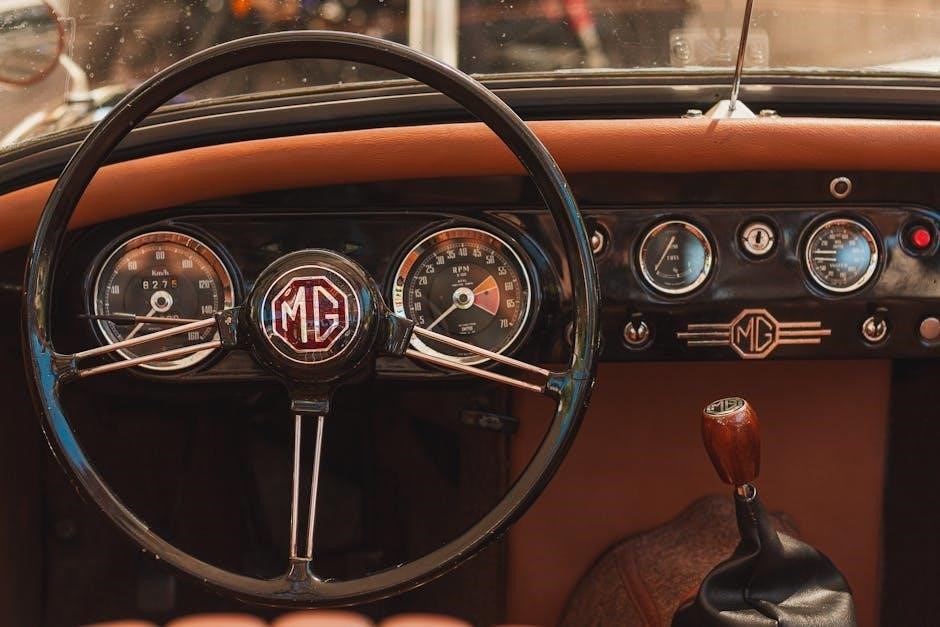
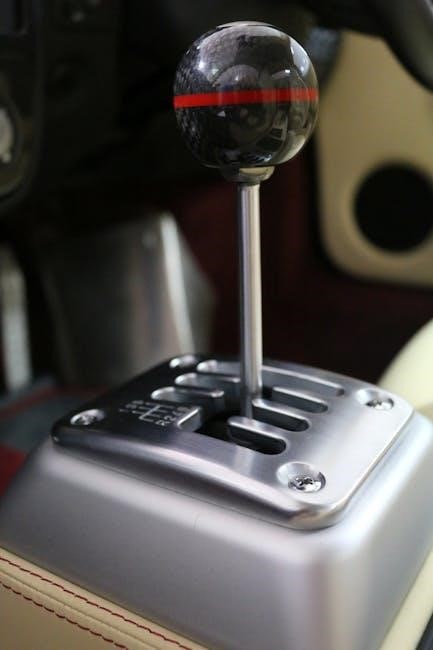
Shifter Options and Installation
Customize your control! Shifter selection impacts feel and precision; options range from stock replacements to short-throw upgrades for quicker, more direct gear changes.
Short Throw vs. Long Throw Shifters
Choosing the right shifter is crucial. Short throw shifters dramatically reduce the distance needed to change gears, offering quicker shifts ideal for performance driving and spirited acceleration. However, they can require more effort and precision. Long throw shifters, conversely, provide a more relaxed and forgiving shifting experience, suitable for cruising and daily driving.
The throw length affects both driver feel and mechanical stress on the transmission. Consider your driving style and intended use; a shorter throw isn’t always better, and a longer throw isn’t necessarily slower. Proper adjustment is key for optimal performance with either type.
Shifter Linkage Adjustment
Precise adjustment is paramount for smooth operation. Incorrectly adjusted shifter linkage can lead to missed shifts, grinding gears, or difficulty selecting a gear. Begin by ensuring all connections are secure and properly lubricated. Adjust the linkage to achieve neutral alignment when the transmission is in neutral.
Fine-tune the adjustments to eliminate any binding or looseness. A systematic approach, checking each gear individually, is recommended. Proper linkage adjustment minimizes stress on the transmission and maximizes driving enjoyment, ensuring accurate and effortless gear changes.

Driveshaft Considerations
Proper driveshaft length and U-joint angles are crucial. Ensuring correct alignment transmits power efficiently and prevents vibrations, maximizing performance and longevity.
Driveshaft Length and U-Joints
Accurate driveshaft length is paramount for a successful manual transmission swap with a 350 small block. Incorrect length causes excessive stress on the U-joints and transmission output shaft. Measure carefully from the transmission yoke to the differential yoke, accounting for slip yoke travel.
U-joints must be of high quality and properly lubricated. Inspect them regularly for wear or play, as failure can lead to driveline vibrations and potential damage. Consider upgrading to heavy-duty U-joints for increased durability, especially with performance applications. Proper phasing of the U-joints minimizes vibration.
Driveshaft Balancing
A balanced driveshaft is crucial for smooth operation and longevity when pairing a manual transmission with a 350 small block. Imbalance creates vibrations felt throughout the vehicle, leading to component fatigue and potential failure. Dynamic balancing, performed by a specialist, ensures even weight distribution.
After any driveshaft modification – such as changing U-joints or shortening/lengthening the tube – re-balancing is essential. This process involves spinning the driveshaft at high speed and adding weights to counteract any imbalance. A properly balanced driveshaft significantly improves drivability and reduces stress.
Rear End and Differential Setup
Optimize power delivery! Selecting the correct gear ratio and differential type is vital for maximizing the potential of your 350 small block and manual transmission.
Gear Ratio Selection
Choosing the right gear ratio is crucial for performance. A lower (numerically higher) gear ratio, like 3.73 or 4.10, provides quicker acceleration, ideal for street driving and drag racing with a 350 small block. Conversely, a higher (numerically lower) gear ratio, such as 3.08 or 3.42, enhances highway cruising and fuel efficiency.
Consider your intended use; aggressive driving demands lower ratios, while relaxed touring benefits from higher ones. The manual transmission’s gear selection also influences this choice, ensuring optimal engine RPM throughout the speed range. Careful consideration yields a balanced and enjoyable driving experience.
Limited Slip Differential Options
A limited slip differential (LSD) dramatically improves traction. For a 350 small block paired with a manual transmission, options include clutch-type, Torsen, and Eaton differentials. Clutch-type LSDs offer aggressive lockup, ideal for drag racing and hard cornering, but require maintenance.
Torsen differentials are smoother and more street-friendly, while Eaton provides a balance. An LSD ensures power is distributed to both rear wheels, minimizing wheelspin and maximizing acceleration, especially beneficial with the manual’s precise control.
Installation Process Overview
Careful preparation is key! This involves engine and transmission readiness, precise clutch and transmission mounting, and ensuring proper alignment for smooth operation.
Preparing the Engine and Transmission
Engine preparation begins with verifying the flexplate or flywheel surface is true and smooth, essential for clutch operation. Inspect the pilot bearing or bushing within the crankshaft for wear, replacing if necessary to prevent premature transmission failure.
The transmission itself requires thorough inspection of the input shaft for damage and proper lubrication. Ensure the transmission mounting points are clean and free of debris.
Double-check all seals and gaskets are in good condition, preventing leaks post-installation. Finally, confirm the transmission is filled with the correct fluid type and level before attempting mounting.
Mounting the Transmission and Clutch
Carefully align the clutch disc with the pilot bearing, ensuring proper orientation. Gently install the transmission, guiding it onto the engine using a transmission jack – avoid forcing it!
Verify the input shaft fully engages the clutch disc and pilot bearing. Secure the transmission to the bellhousing with appropriate bolts, tightening them in a crisscross pattern to ensure even pressure.
Double-check all mounting points are secure before proceeding. A misaligned or loosely mounted transmission can cause significant damage during operation.

Troubleshooting Common Issues
Diagnosing problems is key! Common issues include clutch pedal feel, shifting difficulties, and unusual transmission noises – systematic checks are essential for resolution.
Clutch Pedal Feel Problems
Investigating clutch pedal issues starts with simple checks. A spongy or soft pedal often indicates air within the hydraulic system, requiring bleeding. A hard pedal could signal a failing master or slave cylinder.
Furthermore, ensure proper adjustment of the pedal linkage; incorrect settings drastically alter feel.
Inspect the clutch cable (if equipped) for fraying or binding.
Finally, a pedal that sticks or returns slowly points towards internal clutch component problems, demanding a thorough inspection of the pressure plate and release bearing.
Shifting Difficulties
Troubleshooting shifting problems requires a systematic approach. Difficulty engaging gears often stems from a worn clutch, improper clutch adjustment, or issues within the transmission itself.
Check the shifter linkage for looseness or damage, ensuring smooth movement.
Low transmission fluid levels can also cause shifting issues; verify and top off as needed.
Internal transmission problems, like worn synchronizers, necessitate a rebuild or replacement. Don’t overlook a potentially misadjusted clutch cable, hindering proper disengagement.
Transmission Noise Diagnosis
Identifying transmission noises is crucial for timely repair. Whining sounds often indicate worn bearings, while clunking noises may point to damaged gears or a loose U-joint. A rattling sound could signify a broken or loose internal component. Carefully listen to when the noise occurs – during shifting, acceleration, or deceleration – to narrow down the source. Low fluid levels can also cause whining. A professional inspection is recommended for accurate diagnosis and to prevent further damage.
Performance Upgrades
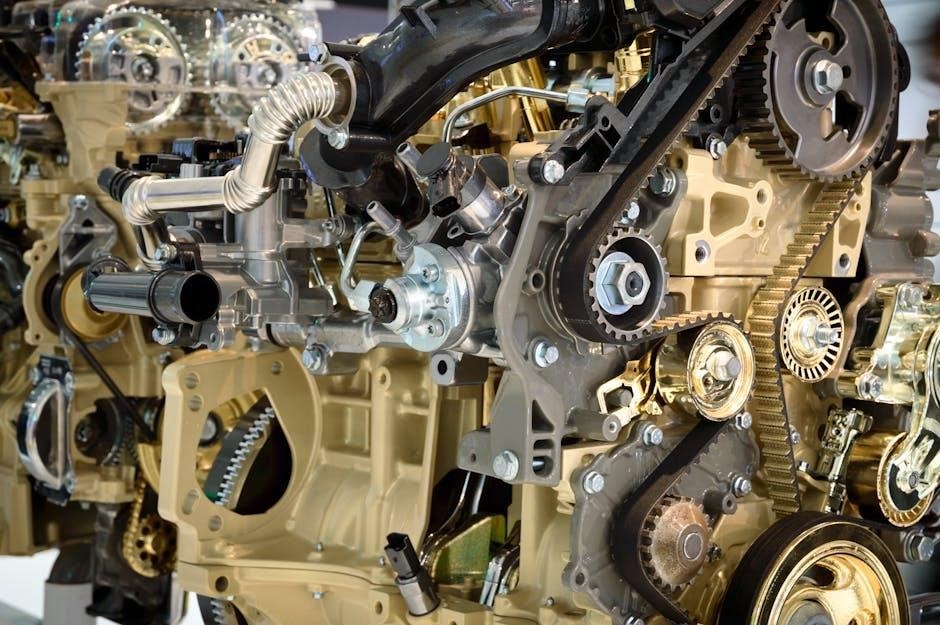
Maximize your 350’s potential! Upgrading the clutch, strengthening gears, and utilizing lightweight flywheels dramatically enhance performance and durability for spirited driving.
Upgrading the Clutch
Boosting Torque Capacity: When increasing engine output with a 350 small block, the stock clutch often becomes a limiting factor. Upgrading to a heavy-duty clutch is crucial for reliably transferring power. Consider clutches designed for higher horsepower and torque levels, utilizing stronger pressure plates and more robust friction materials.
Material Choices: Organic clutches offer smooth engagement for street driving, while ceramic or metallic clutches provide superior grip for racing and aggressive use. Evaluate your driving style and intended application to select the appropriate material. A multi-disc clutch setup further enhances torque handling capabilities.
Stronger Transmission Gears
Reinforcing Durability: For high-performance 350 small block builds, upgrading internal transmission gears is vital. Stock gears may not withstand the increased stress from added horsepower and aggressive driving. Consider installing aftermarket gears crafted from stronger alloys like 8620 steel, known for exceptional durability and resistance to wear.
Gear Ratio Options: Explore different gear ratios to optimize performance for your specific needs. Closer ratios provide quicker acceleration, while taller ratios enhance top-end speed. Professional installation and proper setup are essential for longevity.
Lightweight Flywheels
Enhanced Engine Response: Installing a lightweight flywheel on your 350 small block significantly improves engine responsiveness. Reducing rotational inertia allows the engine to rev more freely and quickly, resulting in faster acceleration and a more spirited driving experience. Steel and aluminum options are available, each offering different weight savings.
Considerations: Lighter flywheels can sometimes increase the risk of stalling at low speeds. Proper clutch selection and driving technique are crucial for optimal performance and drivability.

Resources and Further Information
Connect and learn! Online forums and dedicated parts suppliers offer invaluable knowledge, support, and components for your 350 small block manual swap.
Online Forums and Communities
Engage with fellow enthusiasts! Numerous online forums are dedicated to classic Chevrolet performance and manual transmission swaps. These platforms provide a wealth of information, from build threads detailing complete conversions to troubleshooting advice for specific issues.
Active communities allow you to ask questions, share experiences, and learn from others who have successfully undertaken similar projects. Websites often feature detailed guides, technical specifications, and vendor recommendations. Participating in these forums can significantly streamline your build process and prevent costly mistakes, fostering a collaborative spirit among 350 small block aficionados.
Parts Suppliers
Sourcing quality components is crucial! Several reputable suppliers specialize in manual transmission parts for classic Chevrolet vehicles, including the 350 small block. These vendors offer a comprehensive range of products, from complete transmission kits and clutch assemblies to individual components like gears, shafts, and synchronizers.
Look for suppliers with a proven track record of customer satisfaction and a commitment to providing accurate technical information. Online retailers and brick-and-mortar speed shops both offer viable options, ensuring you find the right parts for your specific build.