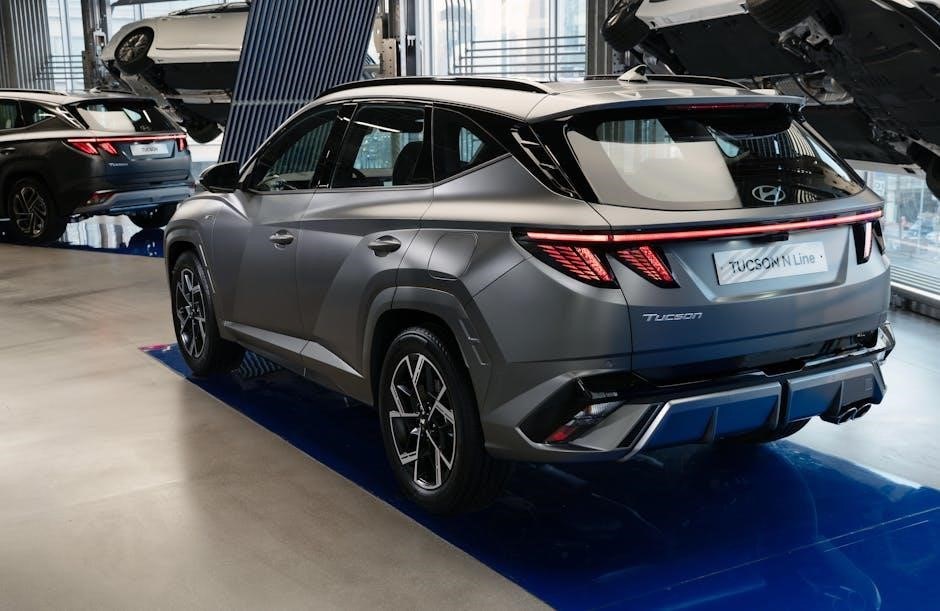
Welcome to the world of the 2017 Hyundai Elantra! This manual provides essential guidance for operating and maintaining your vehicle, ensuring a safe and enjoyable driving experience․
The 2017 Elantra boasts a modern audio system with AM/FM/SiriusXM/CD/MP3 capabilities, alongside Bluetooth connectivity for hands-free calling and convenient music streaming․
Understanding your Elantra’s features, like speed-compensated volume and steering wheel controls, will enhance your journey, as highlighted in recent reviews and first drive experiences․
Overview of the 2017 Elantra Model
The 2017 Hyundai Elantra represents a significant step forward in compact car design, offering a blend of style, efficiency, and technology․ This model year introduced notable enhancements to both the exterior and interior, aiming to provide a more refined driving experience for owners․ Key features include a redesigned front fascia, updated interior materials, and improved safety technologies․
Under the hood, the Elantra typically features a range of engine options, catering to diverse driving preferences․ The standard engine delivers a balance of power and fuel economy, while available upgrades provide increased performance․ The audio system, a prominent feature, incorporates AM/FM radio, SiriusXM satellite radio, CD/MP3 playback, and Bluetooth connectivity for seamless integration with smartphones․
Furthermore, the 2017 Elantra incorporates steering wheel-mounted controls for audio and phone functions, enhancing convenience and safety․ The inclusion of speed-compensated volume ensures optimal audio clarity at varying speeds․ Owners will appreciate the thoughtful design and user-friendly features integrated throughout the vehicle, making it a compelling choice in the compact car segment․
Importance of the Owner’s Manual
Your 2017 Hyundai Elantra’s owner’s manual is an indispensable resource, serving as a comprehensive guide to understanding and maximizing your vehicle’s capabilities․ It details crucial information regarding operation, maintenance, and safety features, ensuring both your well-being and the longevity of your Elantra․ Familiarizing yourself with the manual allows you to confidently utilize features like the AM/FM/SiriusXM audio system, Bluetooth connectivity, and speed-compensated volume control․
Beyond basic operation, the manual outlines recommended maintenance schedules, fluid level checks (oil, coolant, brake fluid), and the Tire Pressure Monitoring System (TPMS)․ Understanding these procedures helps prevent potential issues and maintain optimal performance․ It also provides vital information regarding safety systems, including airbags, ABS, and ESC․
In emergency situations, the manual offers guidance on jump-starting procedures and towing information․ Properly utilizing this resource empowers you to address unexpected events effectively․ Consider it a key component of responsible vehicle ownership, contributing to a safer and more enjoyable driving experience with your 2017 Elantra․
Vehicle Features & Controls
Explore the 2017 Elantra’s intuitive controls! This section details operation of the audio system, Bluetooth, steering wheel functions, and climate control for optimal comfort․
Understanding the Dashboard Indicators
Decoding your Elantra’s dashboard is crucial for safe driving․ Numerous indicators provide vital information about your vehicle’s status, alerting you to potential issues or confirming system operation․
Key indicators include the check engine light, signaling a potential engine problem requiring immediate attention․ The ABS light illuminates if there’s an issue with the Anti-lock Braking System․ A flashing or solid ESC (Electronic Stability Control) light indicates system activity or a malfunction․
Pay close attention to the battery warning light, low oil pressure light, and temperature gauge․ These signal critical mechanical concerns․ Other indicators cover seatbelt reminders, airbag system status, and various system confirmations․ Refer to the comprehensive index within this manual for detailed explanations of each symbol and recommended actions when an indicator illuminates․
Operation of the Audio System (AM/FM/SiriusXM/CD/MP3)
Your 2017 Elantra’s audio system delivers a versatile entertainment experience․ To power on, press the audio unit’s power button․ Select your desired source – AM/FM radio, SiriusXM satellite radio (subscription required), CD, MP3, or auxiliary input․
Use the SEEK/SCAN buttons to find available radio stations․ SiriusXM offers a wide range of channels; explore the channel guide for options․ For CD/MP3 playback, insert the disc or connect your USB device․ Volume is adjusted using the volume knob or steering wheel controls․
The system features six speakers for enhanced sound quality․ Utilize the balance and fader controls to customize the audio output․ Explore the audio menu for additional settings like equalization and sound effects․ Remember to consult the full audio system section within this manual for advanced features․
Bluetooth Hands-Free Phone System Setup
Pairing your smartphone with the 2017 Elantra’s Bluetooth system enables convenient hands-free calling․ Begin by ensuring Bluetooth is enabled on your mobile device․ On the Elantra’s audio system, navigate to the ‘Phone’ menu and select ‘Pair Device․’
Your phone should appear in the list of available devices․ Select your phone, and a PIN may be requested․ Enter the PIN (typically ‘0000’ or ‘1234’) on both your phone and the Elantra’s system․ Once paired, your phone’s contacts will synchronize․
To make a call, use the voice command system or the steering wheel controls․ Incoming calls will display caller ID on the audio screen․ Remember to prioritize safe driving and adhere to local laws regarding phone use while operating the vehicle․ Refer to the complete Bluetooth section for troubleshooting․
Steering Wheel Controls – Audio & Phone
The 2017 Elantra’s steering wheel integrates convenient controls for both the audio system and phone functions․ Volume adjustment is achieved using the buttons on the right side of the steering wheel; press the up/down arrows to increase or decrease the sound level․
Track selection – skipping forward or backward – is managed with dedicated buttons․ The ‘Mode’ button allows cycling through available audio sources like AM/FM, SiriusXM, CD, MP3, or Bluetooth․ For phone calls, the talk button initiates or answers calls, while the end button terminates them․
Voice recognition functionality, if equipped, can be activated via a designated button, enabling hands-free operation․ Familiarize yourself with these controls to maintain focus on the road while enjoying your entertainment and staying connected․
Climate Control System Operation
Your 2017 Hyundai Elantra features a user-friendly climate control system designed for optimal comfort․ The system allows independent adjustment of temperature and fan speed for personalized climate settings․
Utilize the temperature control dial to select your desired heat or cool level․ The fan speed can be adjusted using the corresponding control, ranging from gentle breezes to powerful airflow․ The mode selector allows you to choose between defrost, floor, vent, or a combination of these options․
The A/C button activates the air conditioning for cooling and dehumidifying the cabin․ Recirculation mode, when engaged, draws air from inside the vehicle, useful in dusty or smoky conditions․ Remember to periodically check and maintain the system for peak performance․
Seat Adjustments & Features
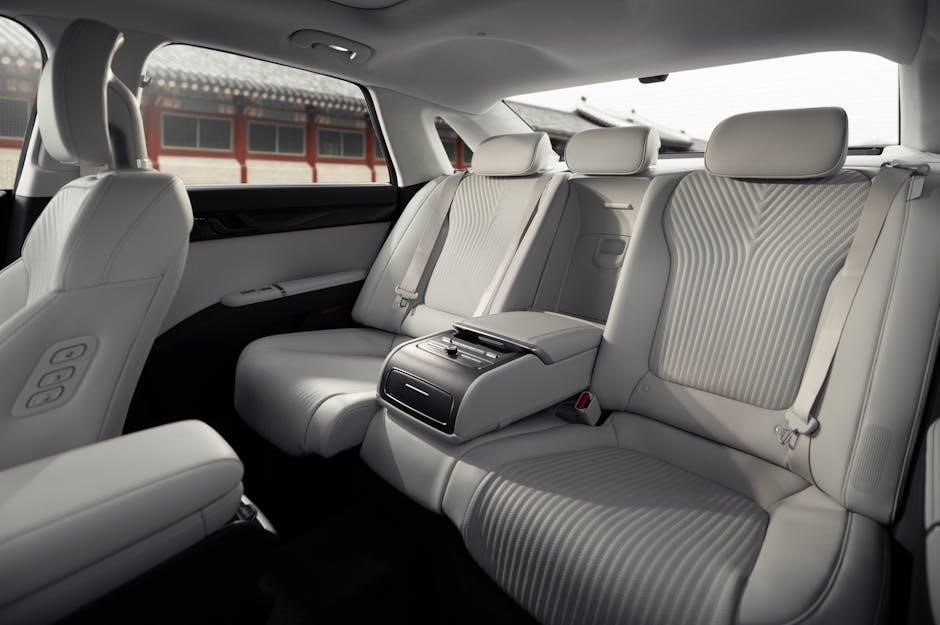
The 2017 Hyundai Elantra offers a range of seat adjustments to ensure a comfortable and secure driving position․ Manual seats utilize levers for fore/aft positioning, height adjustment, and backrest angle control․ Power seats, where equipped, feature conveniently located switches for precise adjustments․
Locate the recline lever to adjust the backrest angle to your preference․ Many Elantra models include adjustable headrests for optimal neck support․ Some trims may offer lumbar support adjustments, enhancing comfort on longer journeys․
Familiarize yourself with the seat heating controls, if present, for added warmth during colder weather․ Always ensure the seat is properly adjusted before driving, allowing for full pedal reach and steering wheel control․ Prioritize a comfortable and safe seating position․

Driving Your 2017 Elantra
Begin your journey with confidence! This section details starting, stopping, and understanding transmission options, maximizing your Elantra’s performance and driving pleasure․
Starting and Stopping the Engine
Starting Your Elantra: Ensure the parking brake is engaged and the gear selector is in ‘Park’ (P) for automatic transmissions, or neutral for manual transmissions․ Insert the key into the ignition and turn it to the ‘Start’ position, holding it until the engine starts․ Release the key immediately upon engine start․ For vehicles equipped with a push-button start, firmly press the brake pedal and then press the start/stop button․
Stopping the Engine: Gently apply the brakes to bring the vehicle to a complete stop․ Shift the gear selector to ‘Park’ (P) for automatic transmissions․ Turn the ignition key to the ‘Lock’ position and remove the key․ For push-button start systems, simply press the start/stop button while the vehicle is in Park․
Important Reminders: Never start or stop the engine while the vehicle is in motion․ Always ensure the parking brake is engaged when parking on an incline․ Familiarize yourself with these procedures for safe and efficient operation․
Understanding the Transmission (Automatic & Manual)
Automatic Transmission: Your 2017 Elantra’s automatic transmission offers smooth and efficient gear changes․ The gear selector positions include Park (P), Reverse (R), Neutral (N), Drive (D), and potentially Sport (S) or Low (L) depending on the trim․ ‘D’ is for normal driving, while ‘S’ provides more responsive acceleration․ Avoid shifting while moving at high speeds․
Manual Transmission: If equipped, the manual transmission requires the driver to select gears using the clutch pedal and shift lever․ Depress the clutch fully before shifting gears․ Coordinate clutch release with throttle application for smooth transitions․ Avoid lugging the engine by selecting too high a gear at low speeds․
General Notes: Regularly check transmission fluid levels (if applicable) and adhere to the recommended maintenance schedule․ Proper transmission operation ensures optimal performance and longevity․
Driving Modes (if applicable ⏤ Sport Mode)
Sport Mode Operation: Certain 2017 Elantra trims feature a Sport mode, activated via a dedicated button or drive mode selector․ Engaging Sport mode alters the vehicle’s responsiveness by adjusting throttle sensitivity and steering feel․ Expect quicker acceleration and a more engaging driving experience․
Performance Characteristics: In Sport mode, the transmission holds gears longer, maximizing engine power during acceleration․ Steering becomes heavier, providing increased road feel and control․ Fuel economy may be slightly reduced due to the more aggressive settings․
Considerations: Sport mode is ideal for spirited driving or navigating challenging road conditions․ However, for everyday commuting, Normal mode offers a balance of performance and efficiency․ Always prioritize safe driving practices, regardless of the selected mode․
Speed Compensated Volume Control
Functionality Explained: Your 2017 Hyundai Elantra is equipped with Speed Compensated Volume (SCV) control, a feature designed to automatically adjust the audio system’s volume based on vehicle speed․ As your speed increases, the SCV system raises the volume to compensate for increased road and wind noise․
How it Works: The system utilizes the vehicle’s speed sensor to determine the appropriate volume level․ This ensures consistent audio clarity regardless of how fast you are traveling․ It minimizes the need for manual volume adjustments while driving․
User Control: While SCV operates automatically, some systems allow for adjustment of the sensitivity or complete deactivation through the audio settings menu․ Refer to your audio system’s manual for specific instructions․ Enjoy a consistently clear audio experience!

Maintenance & Care
Preserving Performance: Regular maintenance is crucial for your 2017 Elantra’s longevity․ This section details schedules for fluid checks, tire pressure, and essential service intervals․
Recommended Maintenance Schedule
Maintaining Optimal Condition: Your 2017 Hyundai Elantra’s performance and reliability depend on adhering to a consistent maintenance schedule․ This schedule, detailed within your owner’s manual, is categorized by mileage intervals – typically every 7,500, 15,000, 30,000, and 60,000 miles․
Essential Services: At each interval, inspections of vital components like brakes, fluids (oil, coolant, brake fluid, power steering fluid), belts, hoses, and tires are recommended․ Oil changes are typically required every 7,500 to 10,000 miles, depending on driving conditions and oil type․ Filter replacements (air, cabin air, fuel) are also crucial․
Long-Term Care: More extensive services, such as spark plug replacement, timing belt inspection (if applicable), and transmission fluid changes, are scheduled at higher mileage intervals․ Following this schedule ensures your Elantra remains in peak operating condition, maximizing its lifespan and minimizing potential repair costs․ Consult your owner’s manual for the precise schedule tailored to your vehicle’s specifications․

Checking Fluid Levels (Oil, Coolant, Brake Fluid)
Essential Checks for Optimal Performance: Regularly inspecting your 2017 Hyundai Elantra’s fluid levels is crucial for preventing damage and ensuring safe operation․ Begin with the engine oil – locate the dipstick, wipe it clean, reinsert fully, and then check the level against the marked “min” and “max” indicators․
Coolant and Brake Fluid: Next, examine the coolant reservoir; the level should be between the “low” and “full” lines when the engine is cold․ Similarly, check the brake fluid reservoir, ensuring the level remains near the “max” line․ Caution: Brake fluid is corrosive – avoid contact with painted surfaces․
Power Steering Fluid: If equipped, also inspect the power steering fluid reservoir․ Low fluid levels can indicate leaks or excessive consumption․ Refer to your owner’s manual for specific fluid types and recommended procedures․ Consistent monitoring prevents costly repairs and maintains vehicle reliability․
Tire Pressure Monitoring System (TPMS)
Maintaining Optimal Tire Inflation: Your 2017 Hyundai Elantra is equipped with a Tire Pressure Monitoring System (TPMS) designed to alert you when tire pressure is significantly low․ The TPMS light on the dashboard illuminates when pressure drops below recommended levels, potentially impacting handling and fuel efficiency․
Understanding the System: The system doesn’t replace manual checks! Regularly inspect your tire pressure with a gauge, at least monthly, and before long trips․ Recommended pressure is found on the driver’s side doorjamb placard, not the tire sidewall․
Resetting the TPMS: After inflating tires, you may need to reset the TPMS․ Consult your owner’s manual for the specific reset procedure for your Elantra model․ Ignoring low tire pressure can lead to uneven wear, reduced braking performance, and increased risk of tire failure․
Windshield Washer Fluid Refill
Maintaining Visibility: Ensuring a full reservoir of windshield washer fluid is crucial for clear visibility, especially during inclement weather or when driving on dusty roads․ Regularly check the fluid level and refill as needed to maintain optimal cleaning performance․
Locating the Reservoir: The windshield washer fluid reservoir is typically located in the engine compartment, often marked with a blue cap and a windshield wiper symbol․ Refer to your owner’s manual for the precise location in your 2017 Elantra․
Refilling Procedure: Carefully open the reservoir cap and pour in a quality windshield washer fluid․ Avoid using plain water, as it can freeze in cold temperatures and doesn’t effectively clean grime․ Close the cap securely after refilling․ A clean windshield significantly enhances driving safety․

Safety Features
Prioritizing Protection: The 2017 Elantra incorporates advanced safety systems like airbags, ABS, and ESC, designed to protect occupants during various driving conditions and emergencies․
Airbag System Information
Understanding Your Airbag System: Your 2017 Hyundai Elantra is equipped with an advanced airbag system designed to provide crucial protection in the event of a collision․ This system includes front airbags for both driver and passenger, as well as seat-mounted side airbags and side curtain airbags․
Important Safety Notes: Airbags are supplemental restraints and are most effective when used in conjunction with seatbelts․ Always ensure all occupants are properly restrained․ To function correctly, the system relies on sensors that detect the severity of an impact․

Potential Risks: While designed to save lives, airbags can pose a risk of injury to children or improperly positioned occupants․ Never place a rear-facing child seat in front of an active airbag․ Regularly inspect the airbag system for any warning lights, and consult a qualified technician for any concerns․ Proper maintenance is key to ensuring optimal performance and safety․
Anti-lock Braking System (ABS)
How ABS Works: Your 2017 Hyundai Elantra features an Anti-lock Braking System (ABS) designed to help maintain steering control during hard braking situations․ ABS prevents wheel lockup, allowing you to steer around obstacles while braking forcefully․ You may feel a pulsing sensation in the brake pedal when ABS activates – this is normal and indicates the system is functioning correctly․
Operating ABS: To activate ABS, apply firm and continuous pressure to the brake pedal․ Do not pump the brakes; let the system work․ Maintaining steady pressure allows ABS to modulate braking force to each wheel individually, maximizing stopping power and stability․
Important Considerations: ABS does not reduce stopping distances on all surfaces․ On loose gravel or snow, stopping distances may be longer․ Regular maintenance of the braking system is crucial for optimal ABS performance․ A warning light on the dashboard indicates a system malfunction – seek immediate service․
Electronic Stability Control (ESC)
Understanding ESC: Your 2017 Hyundai Elantra is equipped with Electronic Stability Control (ESC), a vital safety system designed to help prevent skidding and loss of control․ ESC monitors the vehicle’s direction and compares it to the driver’s intended path, intervening when a difference is detected․
How ESC Functions: When ESC senses a potential loss of control, it selectively applies braking force to individual wheels and may reduce engine power to help steer the vehicle back on course․ A flashing ESC indicator light on the dashboard signals that the system is actively working․
ESC Operation & Limitations: ESC is not a substitute for safe driving practices․ It cannot overcome the laws of physics, and factors like excessive speed or improper tire maintenance can limit its effectiveness․ Maintain a firm grip on the steering wheel and avoid abrupt maneuvers․ Regular system checks are recommended to ensure optimal performance․

In Case of Emergency
Preparedness is key! This section details crucial procedures for jump starting, towing your Elantra, and accessing vital emergency contact information for assistance․
Jump Starting Procedures
Caution: Jump starting can be hazardous․ Follow these instructions carefully to avoid injury or damage to your vehicle’s electrical system․ Ensure both vehicles are turned off before proceeding․
Step 1: Position a second vehicle close enough so the jumper cables can reach both batteries, but do not let the vehicles touch․
Step 2: Connect the red (+) cable to the positive terminal of the discharged battery, then to the positive terminal of the good battery․
Step 3: Connect the black (-) cable to the negative terminal of the good battery, and then to a grounded metal surface on your Elantra – not the negative terminal of the discharged battery․
Step 4: Start the good vehicle and let it run for a few minutes․ Then, attempt to start your Elantra․ If it doesn’t start immediately, wait a few more minutes and try again․
Step 5: Once started, carefully disconnect the cables in the reverse order of connection․ Allow your Elantra to run for at least 20 minutes to recharge the battery․ If the battery continues to fail, consult a qualified mechanic․
Towing Information
Important Considerations: Towing your 2017 Hyundai Elantra requires specific procedures to prevent damage․ Improper towing can lead to costly repairs and compromise vehicle safety․
Towing Method: Your Elantra should be flat-towed, with all four wheels on the ground․ Lift-truck or dolly towing is not recommended, as it can damage the transmission․
Preparation: Before towing, ensure the vehicle is in Park (for automatic transmissions) or Neutral (for manual transmissions)․ Disconnect the drive shaft if towing long distances to prevent transmission wear․
Tow Hooks: Locate the designated tow hooks, typically found near the front and rear of the vehicle’s frame․ Use only approved tow straps or chains, securely attached to these hooks․
Speed Limits: When towing, adhere to local speed regulations and maintain a maximum speed of 55 mph (88 km/h)․ Avoid sudden braking or sharp turns․ Regularly inspect the tow connection during the journey․
Emergency Contact Information
Roadside Assistance: For immediate assistance with breakdowns, accidents, or lockouts, contact Hyundai Roadside Assistance at 1-800-241-2345․ Availability is 24/7, providing peace of mind on your journeys․
Hyundai Customer Care: Should you require support regarding your vehicle’s warranty, service, or general inquiries, reach out to Hyundai Customer Care at 1-800-633-5151․ Their representatives are equipped to address your concerns․
Emergency Services: In the event of a serious accident or medical emergency, dial 911 immediately․ Provide your location and a clear description of the situation․
Poison Control: For suspected poisoning or chemical exposure, contact the Poison Control Center at 1-800-222-1222․ Quick action can be crucial in these scenarios․
Important Note: Keep these numbers readily accessible, perhaps programmed into your phone or written on a card in your glove compartment, for swift access during critical moments․

Specifications
Detailed engine specs and vehicle dimensions are crucial for understanding your 2017 Elantra’s capabilities, including capacities and overall performance characteristics․
Engine Specifications
The 2017 Hyundai Elantra offers a range of engine options designed for efficiency and performance․ The standard engine is a 2․0-liter Inline-4 cylinder, producing 147 horsepower at 6,000 rpm and 132 lb-ft of torque at 4,500 rpm․ This engine is paired with either a six-speed manual or a six-speed automatic transmission․
For those seeking more spirited driving, the Elantra Sport features a turbocharged 1․6-liter Inline-4 engine, delivering an impressive 201 horsepower at 6,000 rpm and 195 lb-ft of torque between 1,500-4,500 rpm․ This engine is exclusively offered with a seven-speed dual-clutch transmission (DCT)․
Fuel economy varies depending on the engine and transmission choice, but generally, the 2․0L engine achieves around 28 mpg city and 37 mpg highway․ The Sport model, with its turbocharged engine, offers approximately 28 mpg combined․
Dimensions & Capacities
Understanding the physical dimensions and capacities of your 2017 Hyundai Elantra is crucial for practical use․ The Elantra boasts an overall length of 180․3 inches, a width of 72․9 inches, and a height of 56․1 inches․ The wheelbase measures 106․3 inches, contributing to a stable ride․
Interior space is generous, offering 110․2 cubic feet of passenger volume․ Rear legroom is a comfortable 35․7 inches, and headroom is ample for most occupants․ Trunk space is a noteworthy 14․8 cubic feet, providing sufficient room for luggage or groceries․
The fuel tank capacity is 12․4 gallons, allowing for a considerable driving range․ The Elantra’s curb weight ranges from approximately 2,770 to 3,175 pounds, depending on the trim level and engine configuration․